At GlowPure Skin, we believe that radiant skin is not a luxury — it is a reflection of your overall health, lifestyle, and the care you invest in yourself every single day. Explore expert-backed guidance, ingredient insights, and holistic skincare wisdom.
Understanding Your Skin: The Foundation of Great Skincare
Your skin is the largest organ of your body, comprising three primary layers — the epidermis, dermis, and hypodermis — each playing a critical role in protecting you from environmental aggressors, regulating body temperature, and maintaining hydration. Understanding how these layers function is the very first step toward building an effective, personalized skincare routine that truly delivers results.
The outermost layer, the epidermis, acts as your body's primary shield against bacteria, UV radiation, pollution, and moisture loss. Within this layer, keratinocytes continuously regenerate, pushing older cells to the surface where they eventually shed. This natural cell turnover cycle, which takes approximately 28 days in young adults and slows significantly with age, is why consistent skincare practices are so important — they support and accelerate this renewal process.
Beneath the epidermis lies the dermis, a rich network of collagen and elastin fibers that give skin its firmness, elasticity, and youthful bounce. Collagen production begins declining in our mid-20s at a rate of about 1% per year, which is why targeted skincare ingredients like retinoids, peptides, and Vitamin C are so highly regarded — they actively stimulate collagen synthesis and protect existing fibers from degradation.
"Healthy skin is a result of consistent care, informed choices, and a deep understanding of what your unique skin truly needs — not the latest trend."
The Role of Natural Ingredients in Modern Skincare
Nature has long provided some of the most powerful skincare ingredients known to science. From the soothing properties of aloe vera and chamomile to the antioxidant-rich benefits of green tea extract and rosehip oil, botanical ingredients have earned their place in evidence-based skincare formulations. Today, dermatologists and cosmetic scientists increasingly recognize that the most effective skincare products often combine cutting-edge biotechnology with time-honored natural compounds.
Hyaluronic acid, originally derived from rooster combs but now produced through biotechnology, can hold up to 1,000 times its weight in water, making it an unparalleled hydrating ingredient. Niacinamide, a form of Vitamin B3 found naturally in many foods, has been clinically shown to reduce hyperpigmentation, minimize pore appearance, strengthen the skin barrier, and reduce inflammation — making it one of the most versatile ingredients in modern skincare.
Building a Skincare Routine That Actually Works
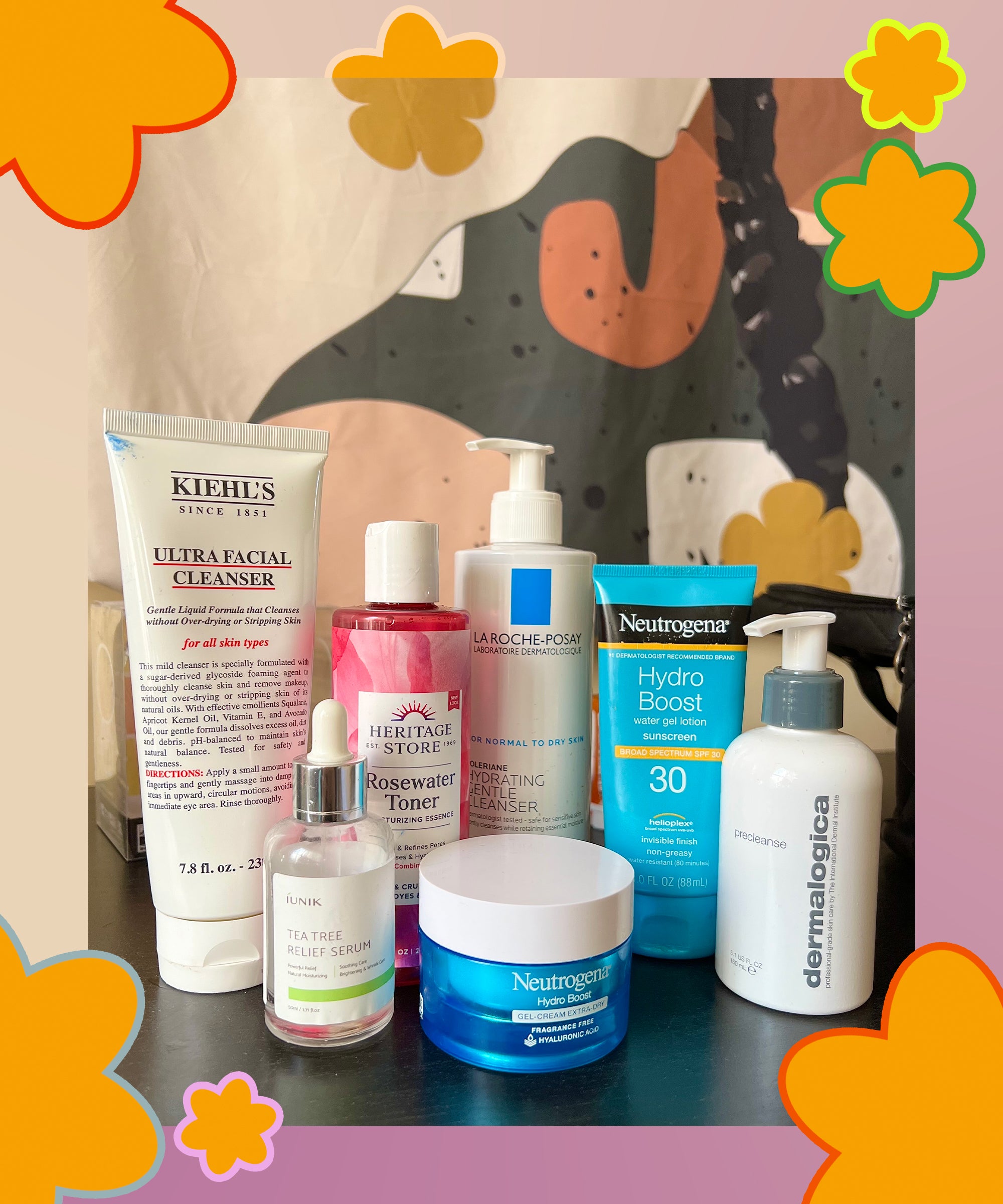
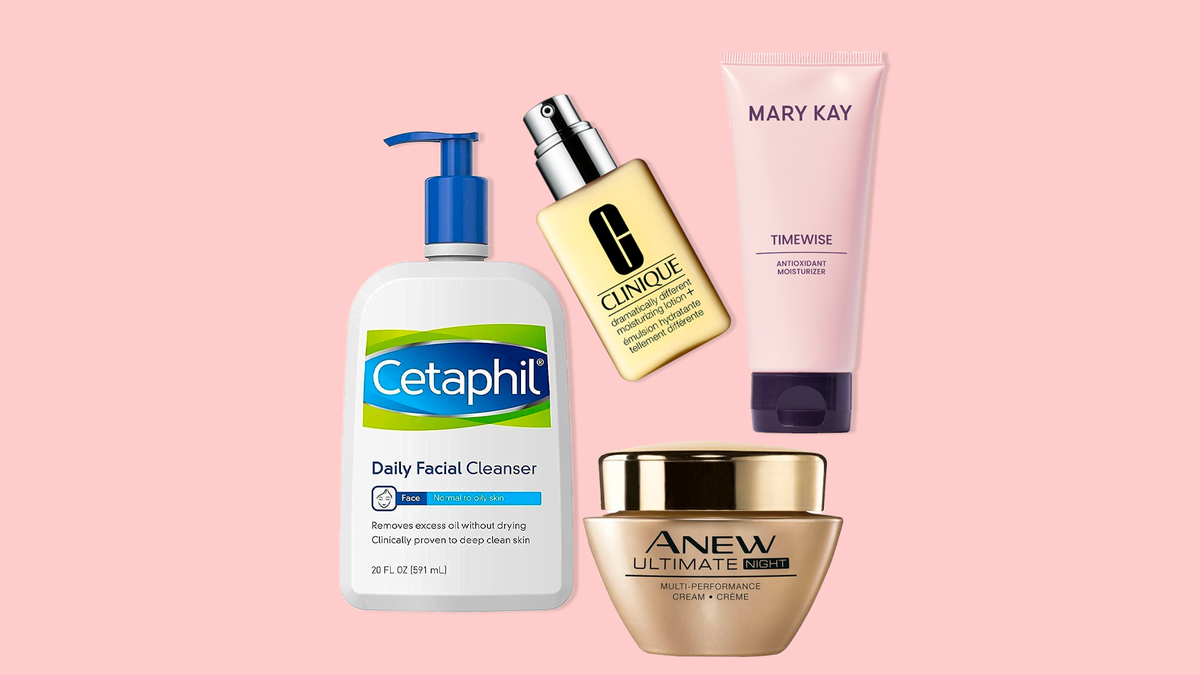
The most effective skincare routine is not necessarily the most complex one. Dermatologists consistently emphasize that a simple, well-chosen regimen performed consistently will always outperform an elaborate routine applied inconsistently. The cornerstone of any good skincare routine begins with three non-negotiable steps: cleansing, moisturizing, and sun protection.
Cleansing removes accumulated dirt, excess sebum, makeup residue, and environmental pollutants that settle on the skin throughout the day. Choosing the right cleanser for your skin type is essential — gel cleansers work well for oily and acne-prone skin, while cream or oil-based cleansers are better suited to dry or sensitive complexions. Over-cleansing or using harsh, stripping formulas disrupts the skin's natural microbiome and acid mantle, leading to increased sensitivity and breakouts.
Moisturizing is equally critical for all skin types, including oily skin. A well-formulated moisturizer helps seal in hydration, reinforce the skin barrier, and create an optimal environment for skin repair and regeneration. Look for ingredients like ceramides, glycerin, squalane, and peptides, which work synergistically to support long-term skin health rather than simply providing temporary surface hydration.
Sun Protection: The Single Most Important Anti-Aging Step
If there is one skincare step that dermatologists universally agree upon, it is daily broad-spectrum sun protection. Ultraviolet radiation — both UVA rays that penetrate deep into the dermis and UVB rays that cause surface burning — is responsible for up to 90% of visible skin aging, including wrinkles, fine lines, uneven pigmentation, and loss of elasticity. This phenomenon, known as photoaging, accumulates over decades of cumulative sun exposure, even on cloudy days and through windows.
Applying a broad-spectrum sunscreen with SPF 30 or higher every morning, regardless of the weather or your planned activities, is the single most evidence-backed anti-aging intervention available without a prescription. Modern sunscreen formulations have evolved dramatically — today's options include lightweight fluid textures, tinted formulas that double as complexion enhancers, and mineral sunscreens using zinc oxide or titanium dioxide that are ideal for sensitive and acne-prone skin types.
Beyond topical sun protection, adopting sun-safe behaviors such as seeking shade during peak UV hours (10 a.m. to 4 p.m.), wearing protective clothing and wide-brimmed hats, and avoiding tanning beds provides comprehensive protection that no sunscreen alone can fully replicate. Combining these habits with a consistent skincare routine creates a powerful, multi-layered defense against premature aging.
Morning Routine Essentials
Begin with a gentle cleanser, follow with a hydrating toner or essence, apply your targeted serums (Vitamin C is ideal in the morning for antioxidant protection), seal with a moisturizer, and always finish with SPF 30 or higher. This sequence ensures each product is absorbed effectively and works synergistically.
Evening Repair Ritual
Nighttime is when your skin undergoes its most intensive repair processes. Use a thorough double-cleanse to remove sunscreen and makeup, apply any active treatments such as retinol or AHAs, and finish with a richer, more occlusive moisturizer or a nourishing facial oil to support overnight regeneration and barrier restoration.
Hydration from Within
No topical skincare product can compensate for chronic dehydration. Drinking adequate water — typically 8 or more glasses daily — supports optimal cellular function, helps flush toxins, and maintains the plumpness and suppleness of skin cells. Incorporating hydrating foods like cucumbers, watermelon, and leafy greens further amplifies these benefits.
The Skin-Sleep Connection
During deep sleep, growth hormone levels peak and the body initiates cellular repair throughout all tissues, including the skin. Chronic sleep deprivation elevates cortisol levels, which breaks down collagen and increases inflammation, leading to dullness, puffiness, and accelerated aging. Prioritizing 7 to 9 hours of quality sleep each night is a foundational pillar of long-term skin health.
Diet, Lifestyle, and the Skin-Gut Connection
Emerging research in dermatology increasingly points to a powerful bidirectional relationship between gut health and skin condition, often referred to as the gut-skin axis. An imbalanced gut microbiome — characterized by an overgrowth of harmful bacteria and a depletion of beneficial strains — has been linked to a range of inflammatory skin conditions including acne, rosacea, eczema, and psoriasis. Conversely, a diverse and thriving gut microbiome supports systemic inflammation reduction and promotes clearer, more resilient skin.
A diet rich in antioxidants, omega-3 fatty acids, and diverse plant fibers provides the raw materials your skin needs to maintain its structure and defend against oxidative stress. Foods like fatty fish, walnuts, flaxseeds, berries, leafy greens, and fermented foods such as yogurt and kimchi have all been associated with improved skin health in clinical studies. Conversely, diets high in refined sugars and processed foods promote glycation — a process where sugar molecules attach to collagen fibers, causing them to become stiff and brittle, accelerating the appearance of wrinkles and sagging.
Advanced Skincare: Actives, Acids, and Targeted Treatments
Once a solid foundational routine is established, many people choose to incorporate targeted active ingredients to address specific skin concerns such as hyperpigmentation, fine lines, acne, or uneven texture. Active ingredients are those with clinically demonstrated efficacy at specific concentrations — they include retinoids, alpha hydroxy acids (AHAs), beta hydroxy acids (BHAs), Vitamin C, niacinamide, peptides, and growth factors.
Retinoids, derivatives of Vitamin A, remain the most extensively studied and clinically validated anti-aging ingredients available. They work by binding to retinoid receptors in skin cells, stimulating collagen production, accelerating cell turnover, and reducing the appearance of fine lines, wrinkles, and hyperpigmentation. Over-the-counter retinol is a gentler entry point, while prescription tretinoin offers more potent and faster results under medical supervision.
Alpha hydroxy acids such as glycolic acid and lactic acid exfoliate the skin's surface by dissolving the bonds between dead skin cells, revealing brighter, smoother skin beneath. Regular use has been shown to improve skin texture, reduce the appearance of pores, and enhance the penetration and efficacy of subsequent skincare products. Beta hydroxy acid (salicylic acid) is oil-soluble, allowing it to penetrate into pores and dissolve the sebum and debris that cause blackheads and acne, making it particularly valuable for oily and acne-prone skin types.
The Power of Antioxidants
Antioxidants like Vitamin C, Vitamin E, resveratrol, and ferulic acid neutralize free radicals generated by UV exposure, pollution, and metabolic processes. Applied topically, they provide a critical layer of protection against oxidative damage that sunscreen alone cannot fully address, while also brightening the complexion and supporting collagen integrity.
Barrier Repair and Ceramides
The skin barrier, composed of a lipid matrix including ceramides, cholesterol, and fatty acids, is your skin's most fundamental line of defense. When this barrier is compromised — through over-exfoliation, harsh cleansers, or environmental stressors — skin becomes reactive, dehydrated, and prone to inflammation. Ceramide-rich moisturizers help restore and reinforce this critical protective layer.
Customizing for Your Skin Type
Effective skincare is never one-size-fits-all. Oily skin benefits from lightweight, non-comedogenic formulas and BHA exfoliants. Dry skin thrives with rich emollients and hyaluronic acid layering. Combination skin requires a balanced approach targeting different zones. Sensitive skin demands fragrance-free, minimal-ingredient formulas with a focus on barrier support and gentle actives.
Address: 11289 Radiance Boulevard, Suite 425, Los Angeles, CA 90028, United States
About Us
Last Updated: January 1, 2025
Who We Are
GlowPure Skin is an independent skincare education and wellness platform founded by a team of passionate dermatology enthusiasts, certified estheticians, and health writers dedicated to making evidence-based skincare knowledge accessible to everyone. We are not a cosmetics brand or retailer — we are educators, researchers, and advocates for informed, thoughtful skincare practices.
Our team draws on a diverse range of expertise, including clinical dermatology research, cosmetic chemistry, nutrition science, and holistic wellness. We believe that truly healthy skin is the result of understanding your own biology, making informed ingredient choices, and adopting sustainable lifestyle habits — not simply purchasing the most expensive products on the market.
Our Mission
Our mission is to demystify the complex and often overwhelming world of skincare by providing clear, accurate, and actionable information grounded in scientific evidence. We cut through the noise of marketing claims and social media trends to deliver content that genuinely helps our readers make better decisions for their skin health.
We are committed to inclusivity, recognizing that skin health looks different across different skin tones, types, ages, and cultural backgrounds. Our content strives to reflect this diversity and to provide guidance that is relevant and respectful to all individuals, regardless of their skincare starting point or budget.
Our Editorial Standards
Every article, guide, and recommendation published on GlowPure Skin is thoroughly researched and reviewed against current dermatological literature and clinical evidence. We cite peer-reviewed studies, reference board-certified dermatologists, and regularly update our content to reflect the latest developments in skin science. We do not accept payment to feature specific products or brands, and our editorial independence is non-negotiable.
Our Values
Transparency: We are honest about what skincare can and cannot achieve, and we clearly distinguish between established science and emerging research.
Inclusivity: We create content for all skin types, tones, ages, and backgrounds, ensuring no reader feels excluded or underserved.
Sustainability: We advocate for skincare practices and ingredient choices that are not only good for your skin but also mindful of environmental impact.
Empowerment: We believe that an informed consumer is an empowered consumer, and we strive to give our readers the knowledge they need to make confident, independent skincare decisions.
Contact Us
We welcome questions, feedback, and collaboration inquiries from our readers, researchers, and industry professionals. Please reach out to us at [email protected]. Our team is committed to responding to all genuine inquiries within 3 to 5 business days.
Disclaimer
Last Updated: January 1, 2025
General Information Only
The content published on GlowPure Skin — including all articles, blog posts, guides, tips, ingredient analyses, and any other materials — is provided strictly for general informational and educational purposes only. Nothing on this website constitutes, or should be interpreted as, professional medical advice, dermatological diagnosis, or a recommendation for any specific medical treatment or therapeutic intervention.
Skincare is a highly individualized field, and what works effectively for one person may be entirely inappropriate or even harmful for another. Individual skin types, sensitivities, underlying health conditions, medications, and environmental factors all influence how skin responds to any given ingredient or routine. Always consult a qualified, licensed dermatologist or healthcare professional before beginning any new skincare regimen, particularly if you have a pre-existing skin condition, are pregnant or breastfeeding, or are taking medications that may interact with topical treatments.
No Endorsement of Products
References to specific skincare products, brands, ingredients, or formulations on this website are made solely for illustrative and educational purposes. Such references do not constitute an endorsement, recommendation, or guarantee of the safety, efficacy, or suitability of any product for any individual. GlowPure Skin does not receive compensation for mentioning specific products in our editorial content, and we encourage all readers to conduct their own research and consult professionals before making purchasing decisions.
Accuracy of Information
While we make every reasonable effort to ensure that the information published on GlowPure Skin is accurate, current, and consistent with established dermatological science, we cannot guarantee the completeness or absolute accuracy of all content. The field of skincare and dermatology is continuously evolving, and new research may supersede previously accepted information. We encourage readers to cross-reference our content with current medical literature and professional guidance.
Limitation of Liability
GlowPure Skin, its founders, editors, contributors, and affiliated parties expressly disclaim all liability for any adverse reactions, skin damage, allergic responses, or other negative outcomes that may result from applying information found on this website. By accessing and using this website, you acknowledge and agree that you do so entirely at your own risk, and that GlowPure Skin bears no responsibility for any consequences arising from your use of the information provided herein.
External Links
This website may contain links to third-party websites for reference or further reading. GlowPure Skin does not control, endorse, or take responsibility for the content, accuracy, or privacy practices of any external websites. The inclusion of any link does not imply our endorsement of the linked site or its content.
Privacy Policy
Last Updated: January 1, 2025
Introduction
GlowPure Skin ("we," "us," or "our") is committed to protecting the privacy and personal information of all visitors to our website. This Privacy Policy explains what information we collect, how we use it, with whom we may share it, and what choices you have regarding your personal data. By accessing or using our website, you consent to the practices described in this policy.
Information We Collect
We may collect the following categories of information when you visit our website:
Usage Data: Information automatically collected about how you interact with our website, including pages visited, time spent on each page, referring URLs, browser type, device type, and IP address.
Contact Information: If you choose to contact us via email or any contact form, we collect the information you voluntarily provide, such as your name and email address.
Cookie Data: We use cookies and similar tracking technologies to enhance your browsing experience, analyze site traffic, and understand user behavior patterns.
How We Use Your Information
The information we collect is used for the following purposes:
To operate, maintain, and improve our website and its content.
To respond to your inquiries, comments, or requests.
To analyze usage patterns and optimize the user experience.
To comply with applicable legal obligations.
Cookies and Tracking Technologies
Our website uses cookies — small text files stored on your device — to remember your preferences and analyze how our site is used. You can control cookie settings through your browser preferences. Please note that disabling cookies may affect the functionality of certain features of our website.
Third-Party Services
We may use third-party analytics services, such as Google Analytics, to help us understand how visitors use our website. These services may collect information about your online activities across different websites over time. We do not sell, rent, or trade your personal information to any third party for marketing purposes.
Data Security
We implement reasonable technical and organizational measures to protect your personal information from unauthorized access, disclosure, alteration, or destruction. However, no method of transmission over the internet or electronic storage is 100% secure, and we cannot guarantee absolute security.
Your Rights
Depending on your jurisdiction, you may have the right to access, correct, delete, or restrict the processing of your personal information. To exercise any of these rights, please contact us at [email protected]. We will respond to all legitimate requests within a reasonable timeframe.
Changes to This Policy
We reserve the right to update this Privacy Policy at any time. Any changes will be posted on this page with a revised effective date. We encourage you to review this policy periodically to stay informed about how we protect your information.
Terms of Service
Last Updated: January 1, 2025
Acceptance of Terms
By accessing, browsing, or using the GlowPure Skin website (the "Site"), you agree to be bound by these Terms of Service ("Terms") and all applicable laws and regulations. If you do not agree with any part of these Terms, you must discontinue your use of the Site immediately. These Terms constitute a legally binding agreement between you and GlowPure Skin.
Use of Content
All content published on GlowPure Skin — including text, images, graphics, logos, and other materials — is the intellectual property of GlowPure Skin or its respective content providers and is protected by applicable copyright, trademark, and intellectual property laws. You may access and read our content for personal, non-commercial purposes only.
You may not reproduce, distribute, modify, create derivative works from, publicly display, or commercially exploit any content from this Site without our prior written consent. Unauthorized use of our content may result in legal action.
User Conduct
When using our Site, you agree to:
Use the Site only for lawful purposes and in a manner consistent with all applicable local, national, and international laws and regulations.
Refrain from attempting to gain unauthorized access to any portion of the Site or its related systems or networks.
Not engage in any conduct that could damage, disable, overburden, or impair the proper functioning of the Site.
Not use any automated tools, bots, or scrapers to collect content from the Site without our express written permission.
Disclaimer of Warranties
The Site and all content provided therein are offered on an "as is" and "as available" basis without any warranties of any kind, either express or implied. GlowPure Skin makes no representations or warranties regarding the accuracy, completeness, reliability, or suitability of any content for any particular purpose. Your use of the Site is entirely at your own risk.
Limitation of Liability
To the fullest extent permitted by applicable law, GlowPure Skin and its affiliates, officers, directors, employees, and agents shall not be liable for any indirect, incidental, special, consequential, or punitive damages arising out of or related to your use of, or inability to use, the Site or its content, even if we have been advised of the possibility of such damages.
Governing Law
These Terms shall be governed by and construed in accordance with the laws of the State of California, United States, without regard to its conflict of law provisions. Any disputes arising under these Terms shall be subject to the exclusive jurisdiction of the courts located in Los Angeles County, California.
Modifications to Terms
GlowPure Skin reserves the right to modify these Terms at any time. Updated Terms will be posted on this page with a revised effective date. Your continued use of the Site following the posting of any changes constitutes your acceptance of the revised Terms. We encourage you to review these Terms periodically.
Contact Information
If you have any questions or concerns regarding these Terms of Service, please contact us at [email protected]. We are committed to addressing all legitimate inquiries in a timely and professional manner.